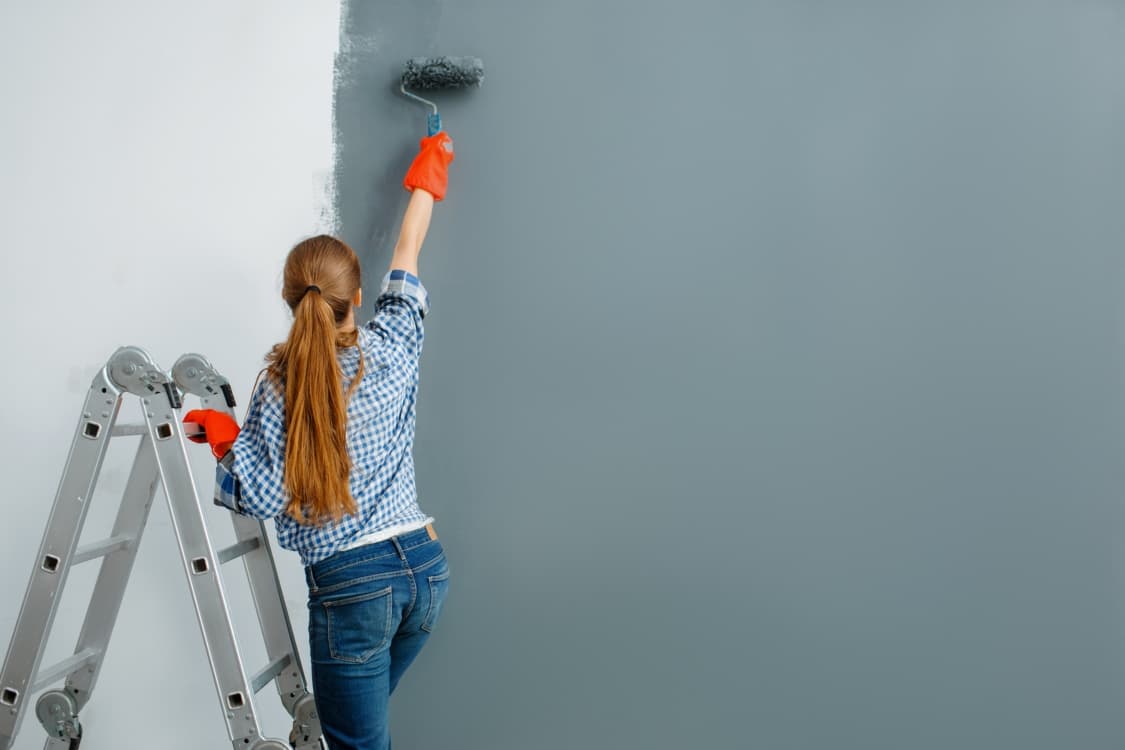
Exterior paint life varies from 3 years to 15 years depending on climate exposure, substrate, product choice, and application quality. In Princeton, Wylie, Allen, and Rockwall, the specific combination of UV, temperature swings, humidity, and precipitation shapes what paints survive and which fail. Here's how to make informed choices.
Climate factors that affect paint life
- UV exposure: Sunlight breaks down paint binders. South and west exposures see the worst damage.
- Temperature swings: Expansion and contraction stress paint film.
- Humidity: Wet substrates and mold growth undermine adhesion.
- Freeze-thaw cycles: Amplify moisture damage.
- Salt exposure: Coastal or road-salt areas see accelerated degradation.
- Airborne pollutants: Industrial and urban environments harder on paint.
Paint chemistry ranked by durability
- 100% acrylic latex: Standard for most residential exterior. 5-10 year typical life.
- Elastomeric: Thicker film, spans small cracks. 8-15 year life on masonry.
- Alkyd/oil-based: Very durable but declining availability due to VOC regulations.
- Vinyl acrylic: Budget option, shorter life.
The Painting and Decorating Contractors of America publishes durability comparisons for major paint categories under various climate conditions.
Substrate matters as much as paint
- Wood siding: Requires priming, careful moisture management. Typical repaint every 5-8 years.
- Vinyl siding: Usually not painted; when painted, use vinyl-safe chemistry.
- Aluminum siding: Needs proper prep; adhesion issues common.
- Fiber cement: Usually factory-primed; repaint every 10-15 years.
- Masonry and stucco: Elastomeric or masonry-specific paints; longer life if applied correctly.
- Concrete: Specialized coatings; see concrete-specific guides.
Color matters more than most homeowners realize
Dark colors absorb heat and expand more than light colors — accelerating film breakdown. In hot climates, medium tones outlast dark tones by 30-50%. In cold climates, dark colors on wood siding can peel from thermal stress.
Application quality drives longevity
Even the best paint fails if applied badly. Critical application factors:
- Surface prep (clean, sound, dry, primed if needed)
- Ambient conditions (temperature, humidity, dew point)
- Wet film thickness (correct build per coat)
- Dry film thickness (two coats generally required for durability)
- Recoat timing (per manufacturer specification)
ASTM International publishes standards for paint performance testing that quality brands rely on.
Prep is where corners get cut — and paint jobs fail
Common prep failures:
- Scraping loose paint but not sanding smooth
- Failing to spot-prime bare wood
- Painting over damp wood
- Skipping caulk on joints and trim
- Not addressing wood rot before repainting
Weather timing
Ideal exterior painting conditions:
- Ambient temperature 50-90°F
- Substrate temperature 5°F+ above dew point
- Humidity below 85%
- No rain in the 24-48 hour forecast
- Not in direct hot sun (flash-drying)
Warranties
Manufacturer warranties on exterior paint vary widely:
- Basic contractor-grade: 1-3 year warranty
- Mid-tier residential: 5-10 year warranty
- Premium residential: 15-25 year warranty (typically requires professional application)
Warranty terms matter — read the fine print. Many warranties exclude specific failure modes or require professional application.
Energy and durability
The ENERGY STAR program covers whole-envelope home performance, including exterior finish contribution to energy efficiency. Sealed, well-maintained exteriors reduce infiltration losses.
Insurance and pre-storm consideration
The FEMA property protection program publishes guidance on pre-storm home preparation that includes exterior surface durability considerations.
Environmental impact
Modern exterior paints have progressively lower VOC content and increasingly biobased binders. Green Seal certification simplifies eco-conscious selection, and the EPA energy program publishes companion guidance.
Realistic expectations by exposure
- Full shade, moderate climate: 10-15 year life on quality paint
- Half sun, moderate climate: 8-12 year life
- Full sun, hot climate: 5-8 year life
- Coastal or industrial: Add 30% shorter life to comparable exposure
Set expectations by exposure, choose paint appropriate to substrate and climate, invest in proper prep, and exterior paint delivers as promised. Cut corners on any of those and the paint fails early — regardless of what the label promises.
Allen Painting Team
Our expert team has been serving Allen and surrounding areas for over 12+ years, completing 500++ projects. We share our industry knowledge to help homeowners make informed decisions.