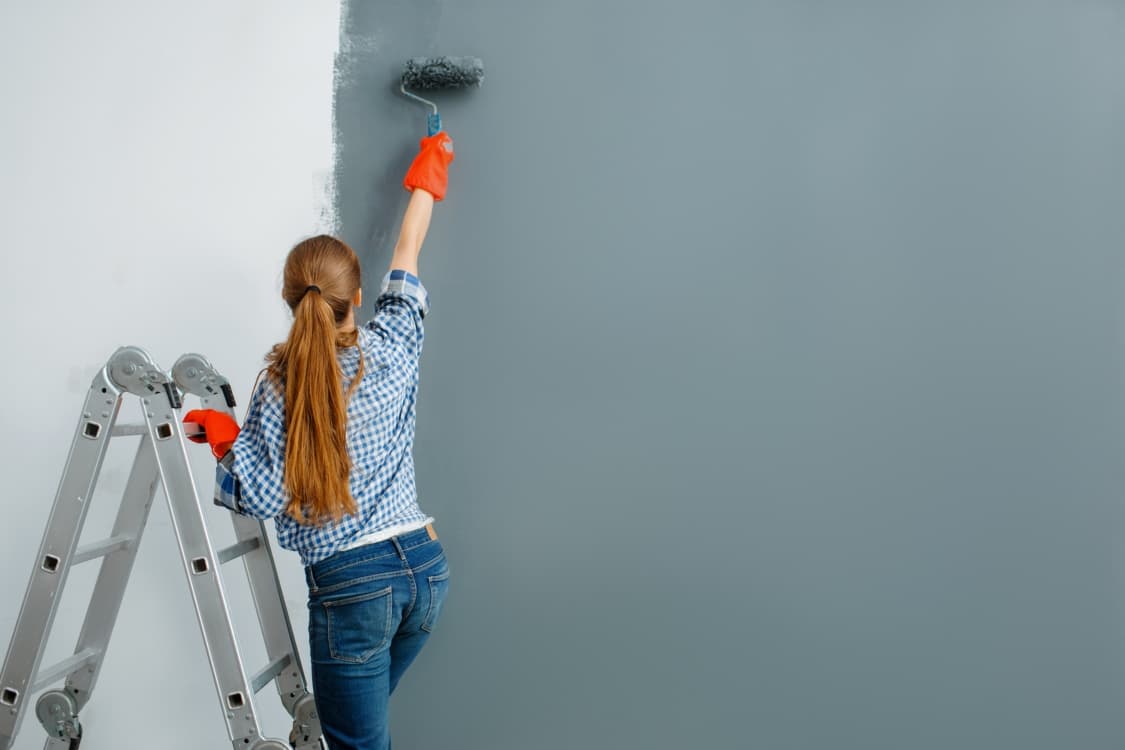
Cabinet painting is one of the highest-ROI kitchen updates a homeowner can make. Done right, it transforms a dated kitchen at a fraction of the cost of replacement. Done wrong, it looks amateurish, wears fast, and creates the impression of a "flip house." Here's the framework for professional-grade results in Princeton, Wylie, Allen, and Rockwall.
What separates professional from amateur cabinet paint
The visible difference is in the finish — flat, smooth, no visible brush strokes, no drips, no orange peel. The underlying difference is process:
- Complete disassembly (doors, drawers, hardware)
- Systematic labeling and organization
- Comprehensive prep (degrease, sand, prime)
- Spray application (or high-quality brush + roller)
- Between-coat sanding
- Dust-free curing environment
The Painting and Decorating Contractors of America publishes cabinet-specific technique guides that align with these steps.
Degreasing is non-negotiable
Kitchen cabinets absorb decades of cooking grease. Painting over that grease produces a coating that never fully adheres. Effective degreasing:
- TSP substitute or purpose-built cabinet degreaser
- Multiple applications on visibly stained areas
- Complete rinsing after degreasing
- Full drying before proceeding
Sanding to profile
Even after degreasing, cabinets need mechanical roughness for paint to adhere. Options:
- Sanding with 220-grit for smooth surfaces
- Deglossing chemical treatments (less mechanical work)
- Aggressive sanding on damaged or peeling existing finishes
Priming — always primer
Skip primer and you're setting up early failure. Best options:
- Bonding primer for slick surfaces (laminate, previously factory-finished)
- Shellac-based primer for tannin-rich woods (oak, mahogany, cedar)
- Alkyd or acrylic primer for typical cabinet substrates
ASTM International publishes primer performance standards that quality brands meet.
Choice of paint
Cabinet paints face different demands than wall paints:
- Alkyd enamel: Traditional, very durable, longer dry time, higher VOCs.
- Waterborne alkyd: Modern hybrid, durable, lower VOCs, easier cleanup.
- 100% acrylic enamel: Modern standard, good for most residential.
- Two-part urethane: Professional-grade, extremely durable, more challenging application.
Green Seal certification helps identify low-VOC options for cabinets, which matters more for interior kitchen work than for exterior applications.
Sheen selection
- Semi-gloss: Traditional cabinet standard. Cleanable, hides less.
- Satin: Modern standard for many high-end kitchens. Cleanable, more forgiving of imperfections.
- Matte: On-trend but harder to clean. Not recommended for high-use areas.
Application methods
Brush + roller: Slower but manageable for DIY. Use quality synthetic-blend brushes and low-nap rollers (1/4" for smooth surfaces).
HVLP spray: Professional standard. Requires equipment investment and skill. Produces the smoothest finish.
Aerosol: Skip. Not appropriate for cabinet-scale work.
Environmental considerations
Kitchens are enclosed spaces where you cook, eat, and gather. Paint chemistry matters. The U.S. EPA indoor air quality program publishes guidance on paint VOCs relevant to interior residential applications.
Cure time matters
Cabinet paints reach cure over weeks, not days. During cure:
- Walk-on/dry to touch: 24 hours typical
- Recoat: 2-4 hours (waterborne) or 24 hours (alkyd)
- Handle: 3-7 days
- Full cure: 2-4 weeks
Rushing use before cure is one of the most common causes of premature wear.
Hardware considerations
Replacing hardware is often part of a cabinet refresh. The International Code Council International Residential Code covers hardware requirements for certain installations. New hardware often requires drilling additional holes — plan measurements carefully.
What to skip
- Skip painting in humid conditions (drying and finish problems)
- Skip skipping the primer
- Skip single-coat application (never adequate)
- Skip putting cabinets back in service before cure
- Skip low-quality brushes (streaks and shed bristles)
OSHA publishes worker safety guidance for painting operations that also applies to DIY — solvent exposure, dust, and eye protection matter regardless of scale.
A properly executed cabinet paint job looks factory-finished and lasts 8-12 years. A rushed job looks amateurish within weeks and wears through in 2-3 years. The difference is 60 hours of work vs. 15 — worth investing for something you'll see every day.
Allen Painting Team
Our expert team has been serving Allen and surrounding areas for over 12+ years, completing 500++ projects. We share our industry knowledge to help homeowners make informed decisions.